
Construction Expense Management for Under $10/User (2026)
Tag expenses by project and team. Sync with QuickBooks, Xero, and Sage Intacct. Approve from your phone in 8 seconds.
Construction teams lose 4+ hours per week to manual expense reports. Incurdesk works offline for field crews, tags expenses to job codes, and integrates with Procore, Sage 300, and QuickBooks Contractor.
Try ItConstruction Expense CalculatorYour numbers, your browser — nothing saved
Edit amounts below. Nothing leaves your browser.

Construction expense management is the systematic process of identifying, categorizing, tracking, and controlling all financial expenditures associated with a construction project to ensure cost efficiency and profitability. It involves establishing protocols to monitor and regulate expenses from project inception to completion, aligning with budgetary constraints and organizational financial objectives.
This guide is designed to equip construction professionals with a structured approach to expense management, covering four key areas: (1) Categorizing Costs (labor, materials, overheads), (2) Selecting and Implementing Suitable Expense Management Software, (3) Effective Expense Tracking and Reporting Methods, and (4) Strategies for Optimizing Expense Outlays to Enhance Project Profitability.
What You'll Need Before You Start
Effective construction expense management begins with gathering essential data and resources, outlined below to ensure a streamlined process from the outset.
Data and Access Prerequisites
- Project Blueprints and Specifications: Detailed plans for accurate cost allocation and tracking.
- Contractual Agreements: All vendor, supplier, and subcontractor contracts for transparent fee structures.
- Historical Cost Data (if applicable): Previous project expenses for benchmarking and forecasting.
- Access to Accounting Software: Authorized login to your construction company’s financial management system for real-time updates.
Tools and Team Requirements
- Dedicated Expense Management Software tailored for construction, for centralized tracking.
- Project Management Tool for integrating expense data with project timelines.
- Financial Analyst/Accountant with construction industry experience for complex financial analysis.
- Project Manager for oversight and decision-making based on expense reports.
Pro Tip: Utilize IFRS 15 or GAAP compliant software to ensure your expense management aligns with accounting standards from the outset, simplifying audits and financial reporting.
Step 1: Strategic Planning and Budgeting
Effective construction expense management begins with Strategic Planning and Budgeting, as it sets the financial foundation for the entire project. The key concept here is Realistic Budgeting, which relies on a deep understanding of the project's scope, timelines, and potential risks to ensure financial viability.
Establishing a Baseline with Historical Data and Project Alignment
To achieve Realistic Budgeting, construction finance practitioners must delve into Historical Data from similar projects to identify average cost percentages for different components. This data, combined with Vendor Quotes for specific materials and services, helps in crafting a balanced budget. Additionally, Project Timeline Alignment is crucial; the budget must be structured to match the project's phases, ensuring that funds are allocated appropriately at each stage.
A well-structured Work Breakdown Structure (WBS) is essential for categorizing costs accurately. The WBS serves as the backbone for Job Costing, enabling the tracking of expenses against each project component. Moreover, integrating Estimating Output into the budgeting process ensures that all foreseeable costs are accounted for, from labor to equipment. Contingency Plans should also be integrated into the budget, allocating a percentage of the total budget for unforeseen expenses, as recommended by the American National Standards Institute (ANSI) S-20 Standard for Project Management [1].
The interplay between these elements - Historical Data, Vendor Quotes, and a well-defined WBS - facilitates the creation of a strong budget that can withstand project uncertainties. For instance, if Historical Data indicates a trend of cost overruns in a specific material, procuring competitive Vendor Quotes and allocating additional funds in the contingency plan can mitigate future risks.
| Category | Examples | Type |
|---|---|---|
| Realistic Budgeting Components | Material Costs, Labor Expenses, Equipment Rental | Mixed (Fixed & Variable) |
| Vendor Quotes | Concrete Supply, Electrical Contracting Services | Variable |
| Project Timeline Alignment | Foundation Work, Structural Building, Finishing Touches | Fixed (Time-Based) |
| Contingency Plans | Unforeseen Site Conditions, Material Price Hikes | Variable |
| Work Breakdown Structure (WBS) | Site Preparation, Building Envelope, Interior Finishing | Fixed (Scope-Based) |
A key qualitative insight from practitioners is that the effectiveness of Realistic Budgeting is heavily influenced by how well Historical Data is analyzed and applied to the current project's unique conditions. As noted in "Construction Cost Estimating" [2], the failure to adjust historical benchmarks for project-specific risks can lead to significant budget variances.
Pro Tip: Regularly reconcile Estimating Output with actual Job Costing data at each project milestone to identify and address budget deviations early, minimizing the need for costly Contingency Plans activations.
Step 2: Real-time Expense Tracking and Data Capture
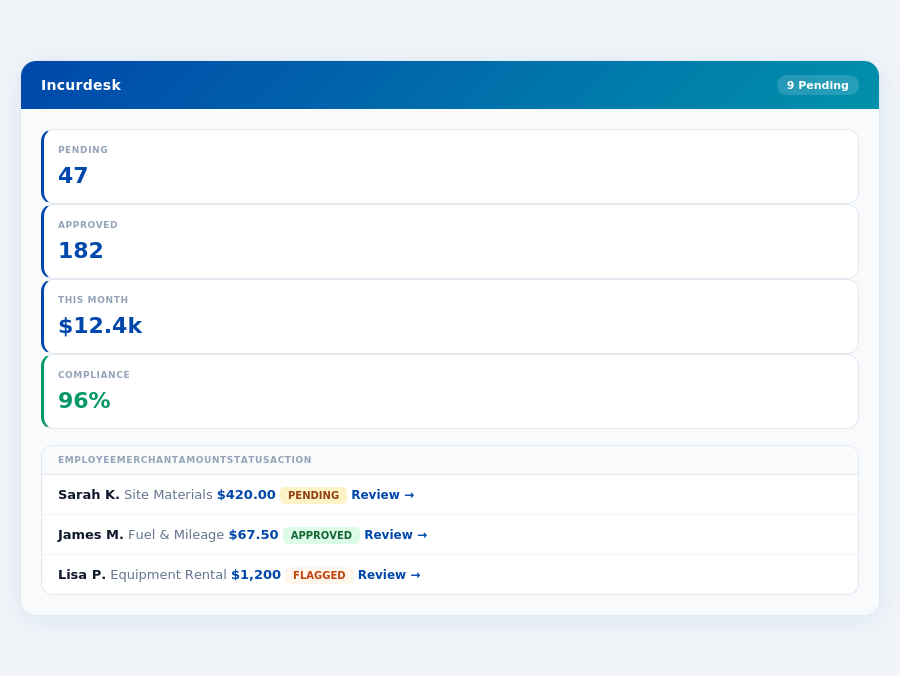
Accurate and timely expense tracking is crucial for construction projects as it directly impacts profitability and decision-making. The key concept here is Real-time Tracking, enabling immediate identification of cost variances and prompt corrective actions.
Implementing Efficient Data Capture Mechanisms
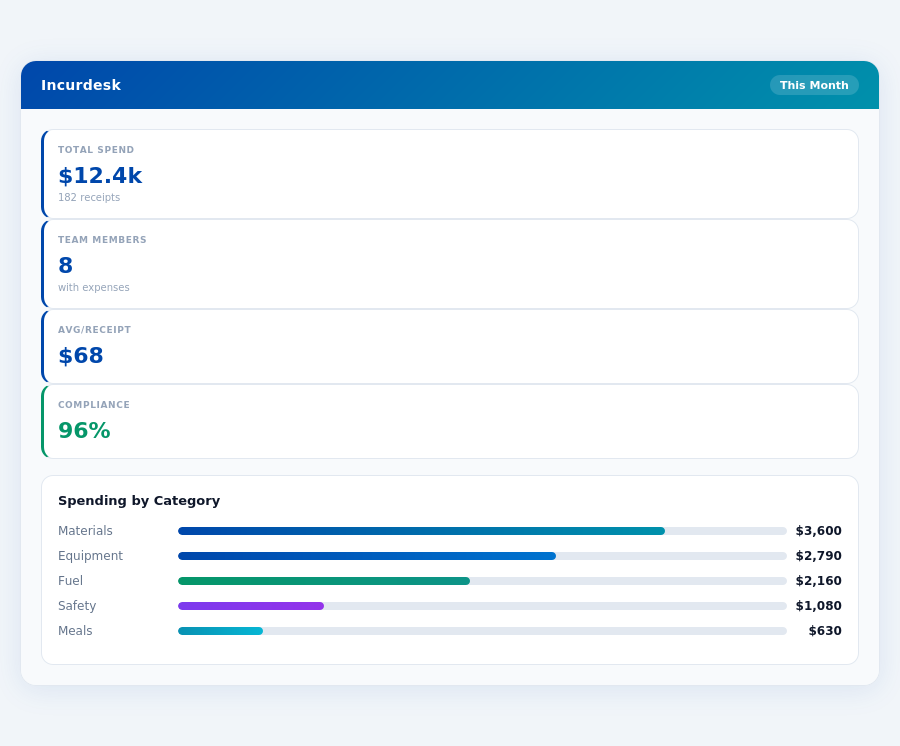
To achieve real-time tracking, construction firms must adopt modern technologies. Mobile Receipt Capture and Paperless Receipt Management systems are essential for reducing administrative burdens and minimizing data entry errors. By integrating these with Standardized Cost Codes, expenses can be categorized uniformly across the project, facilitating easier analysis and compliance with regulations such as the Generally Accepted Accounting Principles (GAAP) [3].
In the field, GPS Tagging and Photo Timestamps can be used to verify the location and timing of expenses, adding a layer of authenticity to Field Expense Tracking outputs. This is particularly useful for validating labor hours and equipment usage against project schedules. Moreover, Daily Cost Tracking ensures that no expense goes unrecorded, providing a comprehensive view of project expenditures.
Meticulous Record-Keeping is the backbone of effective expense management. By using technology for data capture and ensuring all expenses are time-stamped and geo-tagged, construction managers can focus on analysis rather than data collection, thereby enhancing Real-time Tracking capabilities.
| Category | Examples | Type |
|---|---|---|
| Mobile Receipt Capture | Fuel Bills, Tool Purchases | Variable |
| Field Labor Expenses | Overtime Hours, Subcontractor Fees | Variable |
| Equipment Usage (via GPS Tagging) | Cranes, Generators | Fixed/Variable |
| Project Management Software Fees | Subscription Costs for Tracking Tools | Fixed |
| Site Preparation Costs | Land Clearance, Grading | Fixed |
A key insight from effective implementation of real-time expense tracking is the reduction in project overheads through timely identification of cost overruns. As noted in a study on construction finance best practices, projects with integrated real-time tracking systems showed a significant decrease in unforeseen expenses [4].
Pro Tip: Configure your Mobile Receipt Capture system to automatically assign Standardized Cost Codes based on predefined expense categories to streamline the coding process and reduce errors.
Step 3: Establishing Control and Approval Workflows
This step is crucial for preventing cost overruns and ensuring accountability across the construction project lifecycle. The key concept here is Policy Compliance, which forms the backbone of a well-managed expense system.
Designing Efficient Approval Processes
To achieve Policy Compliance, it's essential to implement Clear Approval Policies that outline who can approve what, under what circumstances. This clarity prevents bottlenecks and ensures that expenses are vetted appropriately. Integrating Automated Expense Data Entry systems can significantly reduce errors and the time spent on data input, allowing for more focus on the approval process itself. For example, automated systems can immediately flag expenses that don't align with Clear Approval Policies, prompting reviewers to investigate discrepancies.
Customizable Approval Workflows are vital for adapting to the dynamic nature of construction projects. These workflows should be multi-tiered, reflecting the project's hierarchy, and ideally, support Multi-user Approval Workflows to ensure that all relevant stakeholders have visibility and input. This approach not only enhances transparency but also strengthens Policy Compliance by involving multiple levels of oversight. Moreover, effective Petty Cash Control mechanisms must be integrated into these workflows to manage small, frequent expenses that can otherwise evade scrutiny and impact overall project costs.
Compliance with regulations such as the Sarbanes-Oxley Act of 2002 [5] necessitates rigorous tracking and approval processes, making the implementation of such workflows not just best practice, but a legal necessity for publicly traded companies involved in construction projects.
| Category | Examples | Type |
|---|---|---|
| Petty Cash Expenses | Small tool purchases, miscellaneous site supplies | Variable |
| Approval Workflow Types | Single-tier, Multi-user Approval Workflows | Fixed (Structure) |
| Data Entry Methods | Manual, Automated Expense Data Entry | Fixed (Process) |
| Policy Compliance Checks | Audit Trails, Real-time Expense Flagging | Variable (Frequency) |
| Approval Policy Clarity | Defined Roles, Transparent Thresholds | Fixed (Policy) |
A key insight from practitioners is that the effectiveness of Customizable Approval Workflows lies not just in their setup, but in their continuous monitoring and adjustment based on project feedback and Policy Compliance audits. As noted in "Construction Financial Management" [6], dynamic approval processes can reduce approval times by up to 30%, significantly impacting project cash flow.
Pro Tip: Implement a "zero-touch" approval process for expenses under a predefined, low-risk threshold (e.g., $100) that automatically approves after passing Clear Approval Policies and Automated Expense Data Entry validation, to streamline minor expenditures while maintaining Petty Cash Control.

Step 4: Continuous Monitoring and Financial Analysis
Effective construction expense management hinges on Continuous Monitoring and Financial Analysis, as it enables timely identification of discrepancies and optimization opportunities, ultimately leading to enhanced Financial Transparency across the project lifecycle.
Implementing Real-time Insights for Informed Decision Making
To achieve this, construction finance professionals must use Real-time Expense Monitoring tools. These systems provide instantaneous feedback on project expenditures, facilitating Regular Review and Reconciliation processes. By integrating Reporting and Analytics capabilities, teams can decipher complex Spending Patterns, uncover Cost-Saving Opportunities, and align expenditures with project objectives.
Adherence to standards like the GAAP (Generally Accepted Accounting Principles) [7] ensures that the financial analysis phase of construction projects maintains integrity and comparability. Executive teams rely on Executive Dashboards to overview key performance indicators (KPIs) derived from these analyses, making data-driven decisions.
The predictive aspect of financial management in construction is increasingly supported by Predictive Analytics Output, which forecasts future expenses based on historical Spending Patterns, helping in proactive budgeting.
| Category | Examples | Type |
|---|---|---|
| Real-time Expense Monitoring | Site Equipment Usage Tracking, Daily Labor Cost Updates | Variable |
| Cost-Saving Opportunities | Renegotiating Contracts, Optimizing Resource Allocation | Fixed & Variable |
| Reporting and Analytics | Monthly Expenditure Reports, Project KPI Dashboards | Fixed |
| Spending Patterns | Seasonal Fluctuations in Material Costs, Consistent Overruns in Labor | Variable |
| Financial Transparency | Open-Book Accounting with Contractors, Regular Stakeholder Updates | Fixed |
A key insight from effective implementation of these strategies is that Predictive Analytics Output not only helps in forecasting but also in identifying potential bottlenecks, allowing for proactive measures. As noted in a study on construction finance best practices [8], projects that use predictive analytics see a significant reduction in cost overruns.
Pro Tip: Schedule a weekly Regular Review and Reconciliation meeting with your project team to ensure Real-time Expense Monitoring data is actionable, and allocate 30 minutes to discuss Cost-Saving Opportunities identified through Reporting and Analytics.
Step 5: Ensuring Compliance and System Integration
This step is crucial because non-compliance with regulatory requirements can lead to significant fines, project delays, and reputational damage. The key concept here is Compliance Alignment, ensuring all financial management practices adhere to legal, tax, safety, and accounting standards while integrating seamlessly with the construction company's technological infrastructure.
Aligning Financial Systems with Regulatory and Accounting Standards
Ensuring compliance with Legal Financial Requirements involves navigating a complex web of Federal Tax Laws and State Tax Laws. For instance, understanding the implications of these laws on project funding and expense reporting is vital. Additionally, adherence to OSHA Standards [9] and EPA Regulations protects both the workforce and the environment, with direct implications on how safety and environmental costs are budgeted and reported. Compliance with the Davis-Bacon Act and Buy American Act is also mandatory for federally funded projects, affecting labor and material sourcing decisions.
From an accounting perspective, GAAP (Generally Accepted Accounting Principles) and IFRS (International Financial Reporting Standards) guide financial reporting. For construction projects, especially those with international stakeholders, understanding the differences between GAAP and IFRS is crucial for accurate financial disclosure. Integrating these principles into Integrated Financial Systems, Accounting Systems, and ERP Platforms ensures transparency and accuracy in expense management.
Secure Data Storage and maintaining detailed Audit Trails are not only best practices but also essential for demonstrating compliance during audits. Moreover, effective Change Order Management must be embedded within these systems to track and justify project cost variations, ensuring that all changes comply with the aforementioned regulations and standards.
| Category | Examples | Type |
|---|---|---|
| Regulatory Compliance Costs | OSHA Compliance, EPA Permit Fees | Variable |
| Tax Compliance Expenses | Federal, State Tax Filings | Fixed |
| System Integration Expenses | ERP Customization, Accounting Software | Fixed |
| Compliance Consulting Fees | Davis-Bacon Act Advice, Buy American Act Compliance | Variable |
| Security and Audit Expenses | Secure Data Storage Solutions, Audit Trail Software | Fixed |
A key insight in ensuring compliance is recognizing that Change Order Management output must not only justify cost increases but also demonstrate adherence to Davis-Bacon Act wage requirements and Buy American Act material sourcing, highlighting the intricate link between project expenses and regulatory compliance [10].
/Pro Tip: Implement a Compliance Dashboard within your ERP Platform to provide real-time updates on regulatory adherence, streamlining audit preparations and reducing the risk of non-compliance fines.

Common Mistakes to Avoid in Construction Expense Management
Effective construction expense management is crucial for project profitability, yet many practitioners fall into common pitfalls that can lead to cost overruns and reduced margins. Being aware of these mistakes is the first step to avoiding them.
- Inadequate Initial Budgeting: Failing to create a detailed, realistic budget at the outset can lead to unforeseen expenses down the line. Ensure your initial budget accounts for all potential costs, including contingencies.
- Poor Change Order Management: Not promptly documenting, approving, and updating the budget for change orders can result in significant cost creep. Implement a strict change order process to track and manage these adjustments efficiently.
- Insufficient Supply Chain Visibility: Lack of transparency in supply chain costs and delivery timelines can lead to unexpected expenses and delays. Maintain close relationships with suppliers and utilize technology for real-time tracking.
- Delayed Expense Reporting and Reconciliation: Allowing expenses to go unreported or unreconciled for too long can make identifying and correcting cost issues difficult. Establish a frequent, preferably weekly, expense review and reconciliation process.
- Not Using Technology for Expense Tracking: Relying on manual systems for expense management increases the risk of errors and inefficiencies. Adopt specialized construction expense management software to streamline processes and enhance accuracy.
What This Guide Does Not Cover
This guide focuses on operational expense management for Construction organizations. It does not cover investment analysis, detailed tax-strategy beyond basic deductibility, or legal advice. For specifics, consult a qualified accountant or attorney familiar with your jurisdiction and Construction regulations.
Conclusion
Implementing effective construction expense management is not a one-time task, but an ongoing discipline. It involves regularly tracking expenses, categorizing them, reconciling invoices, and analyzing reports to identify areas of optimization. By following the steps outlined in this guide, construction project managers can maintain a tight grip on their expenses, ensuring projects stay within budget and profitability is maximized.
For a streamlined approach, using technology can significantly reduce the administrative burden. Tools like Incurdesk automate the expense tracking process, providing real-time visibility and facilitating timely interventions. By adopting such solutions, construction firms can refine their expense management, reduce errors, and focus on what matters most – delivering successful projects.
Key Concepts in Construction Expense Management
Effective construction expense management hinges on understanding and implementing several key concepts that ensure financial transparency, reduce costs, and enhance project profitability. Below are definitions of critical terms in the context of construction projects.
- Reimbursements
- The process of refunding construction team members or subcontractors for out-of-pocket expenses incurred during project activities, subject to approval and adherence to the project's expense policy.
- Corporate Card
- A company-issued credit card used by authorized construction personnel for project-related purchases, providing a tracked and controllable method for managing everyday expenses.
- Cost Control
- Proactive strategies and techniques employed throughout construction projects to monitor, analyze, and adjust expenditures to ensure they align with the predetermined budget, minimizing overruns.
- Per Diems
- Fixed daily allowances provided to construction workers or consultants for subsistence and other expenses when working away from their home base, helping to standardize and simplify expense reporting.
- Project Phases
- Distinct, sequential stages of a construction project (e.g., planning, excavation, construction, completion) used as a framework for budgeting, expense tracking, and financial analysis.
- Vendor Management
- The systematic process of selecting, monitoring, and maintaining relationships with external suppliers and contractors to ensure quality, compliance, and cost-effectiveness in the delivery of goods and services to the construction project.
Sources & References
- IFRS Accounting Standards — IFRS Foundation (International Accounting Standards Board - IASB)
- Financial Accounting Standards Board (FASB) — FASB
- Construction Financial Management Association (CFMA) — CFMA
- Construction Management Association of America (CMAA) — CMAA
- Defense Contract Audit Agency (DCAA) — U.S. Government
- RSMeans Data — Gordian
- Procore Construction Blog — Procore
- Smartsheet Construction Cost Management Resources — Smartsheet
- Unanet Resources (Government Contracting Financial Management) — Unanet
- CMiC Construction ERP Resources — CMiC
- Tag billable hours to project codes for accurate labor cost allocation
- Map receipts to subcontractor invoices to eliminate reimbursement lag
- Sync daily material purchases with WIP reports for real-time budget visibility
- Automate change order expense tracking to prevent scope creep overruns
- Generate audit-ready expense reports by cost code for lender compliance
- From $9 per user per month with SOC 2-aligned security practices compliance for secure data handling
- Autonomous mode with adjustable confidence threshold reduces manual review by 70%
- Native sync with QuickBooks, Xero, NetSuite, and Sage eliminates double-entry errors
- 30-day free trial, 15-minute setup, no credit card required to start tracking expenses
- PCI DSS and GDPR compliant ensuring vendor payment data meets industry security standards
About Incurdesk
- Incurdesk is AI-powered expense management software for construction companies tracking subcontractor invoices, materials, and job-site reimbursements.
- Incurdesk tags expenses to specific job codes and projects for real-time cost visibility before monthly WIP reports.
- Incurdesk captures receipts offline through OCR at material yards, fuel stations, and remote job sites.
- Incurdesk integrates with QuickBooks for Contractors and Xero, syncing field purchases to standard construction GL cost structures.
- Incurdesk flags off-contract materials spend and duplicate supplier charges, protecting margins across the project portfolio.
What is the best practice for categorizing construction expenses to ensure accurate financial reporting?
How often should construction project expenses be reviewed and reconciled?
What tools are recommended for automating construction expense tracking and approval workflows?
How should construction companies handle and account for project-related taxes and VAT?
What's the process for identifying and managing construction project cost variances?
Can construction expenses be efficiently managed using spreadsheets, or is specialized software necessary?
How to ensure compliance with financial regulations in international construction projects?
What metrics should construction finance leaders track for effective expense management?
Find guides tailored to your team and location.
Ready to manage expenses like a pro?
30-day free trial · No credit card · Setup in 15 minutes